
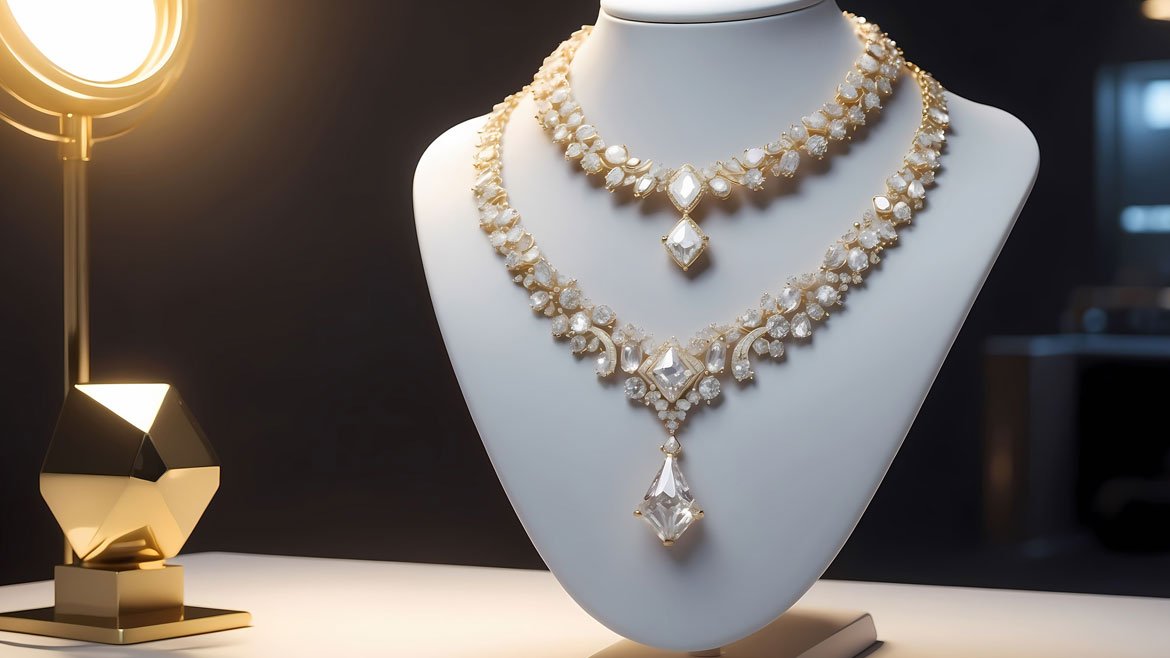
Jewellery trading is a lucrative and dynamic industry that connects raw materials, artisans, & consumers worldwide. From sourcing gemstones to designing exquisite pieces, the journey of jewelry involves a complex supply chain and meticulous craftsmanship.
The trade begins with sourcing raw materials like gold, silver, diamonds, and colored gemstones. These materials are procured from mines and then refined into components suitable for jewelry making. Traders often work closely with gemologists and artisans to ensure the quality of the pieces meets market demands.
In recent years, consumer preferences have shifted toward sustainable and ethically sourced jewelry. This trend has led to increased transparency in the supply chain, with traders ensuring fair labor practices and eco-friendly methods. Certifications, like those provided by the Kimberley Process, have become crucial in verifying the authenticity and ethical sourcing of diamonds.
Jewelry trading is also heavily influenced by fashion trends, cultural traditions, and economic conditions. For example, in regions like India, jewelry is not just an accessory but also a symbol of wealth and heritage, driving consistent demand. Conversely, Western markets focus more on modern, minimalist designs.
The rise of online platforms has revolutionized the jewelry trading business. E-commerce allows traders to reach a global audience, offering a wide range of designs and customizations. Additionally, digital marketing plays a pivotal role in attracting customers, with social media and influencers driving brand awareness.
Jewelry trading continues to evolve, blending traditional craftsmanship with modern technology to cater to diverse markets. It’s a sparkling business where art, culture, and commerce come together seamlessly.
Leave a reply