
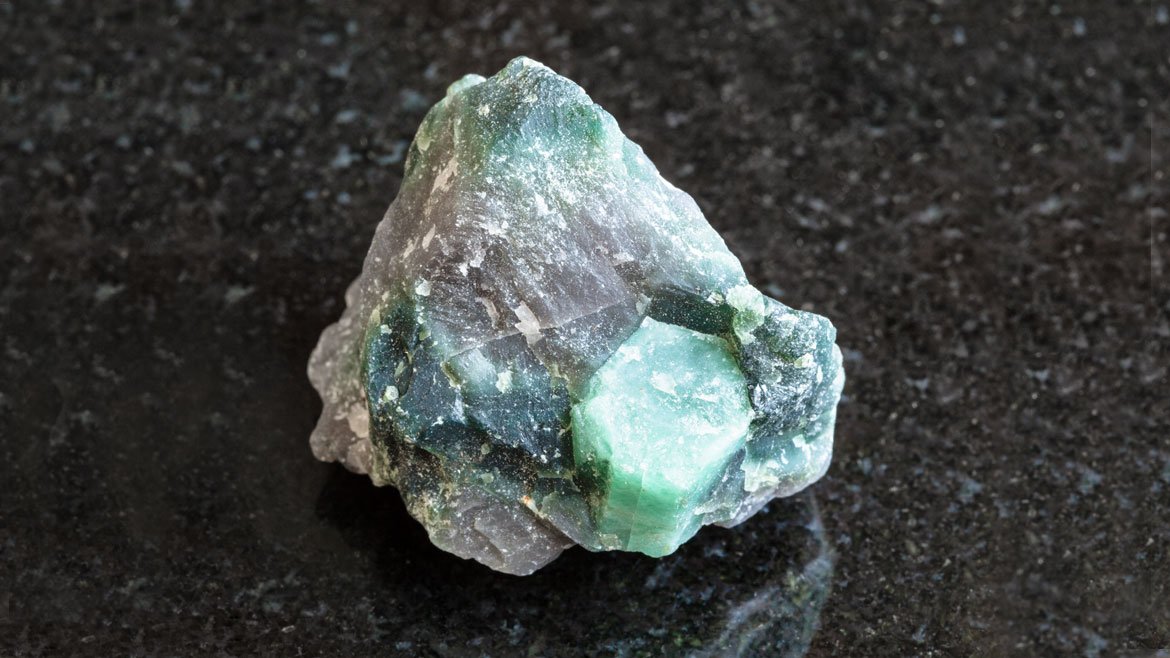
Emerald mining is a fascinating process that brings one of nature’s most prized gemstones to the surface. These vibrant green gems, symbolizing luxury and elegance, are primarily found in countries like Colombia, Zambia, and Brazil. The process of mining emeralds is both intricate and labor-intensive, requiring a combination of geological expertise, advanced tools, and manual effort.
Emeralds are typically found in metamorphic rocks or hydrothermal veins, making their extraction challenging. Miners often start by identifying regions with beryllium-rich deposits. Once the site is chosen, techniques like open-pit mining or underground mining are employed to access the gemstone deposits. Advanced machinery is used to break the rocks, but due to the delicate nature of emeralds, manual extraction methods are frequently utilized to prevent damage.
One of the most critical steps in emerald mining is sorting. After extraction, the rough emeralds are cleaned and sorted based on their quality. High-quality emeralds are further processed to enhance their color and clarity, preparing them for jewelry markets worldwide.
Sustainability and ethical practices are increasingly important in emerald mining. Modern companies focus on minimizing environmental impact and ensuring fair labor practices, making the process more sustainable. As consumers become more conscious, these practices add value to the gemstones.
Emerald mining is not just about gemstones; it also holds significant economic importance for many regions, providing jobs and boosting local economies. For anyone interested in these alluring green stones, understanding their journey from mine to market is truly captivating.
Leave a reply